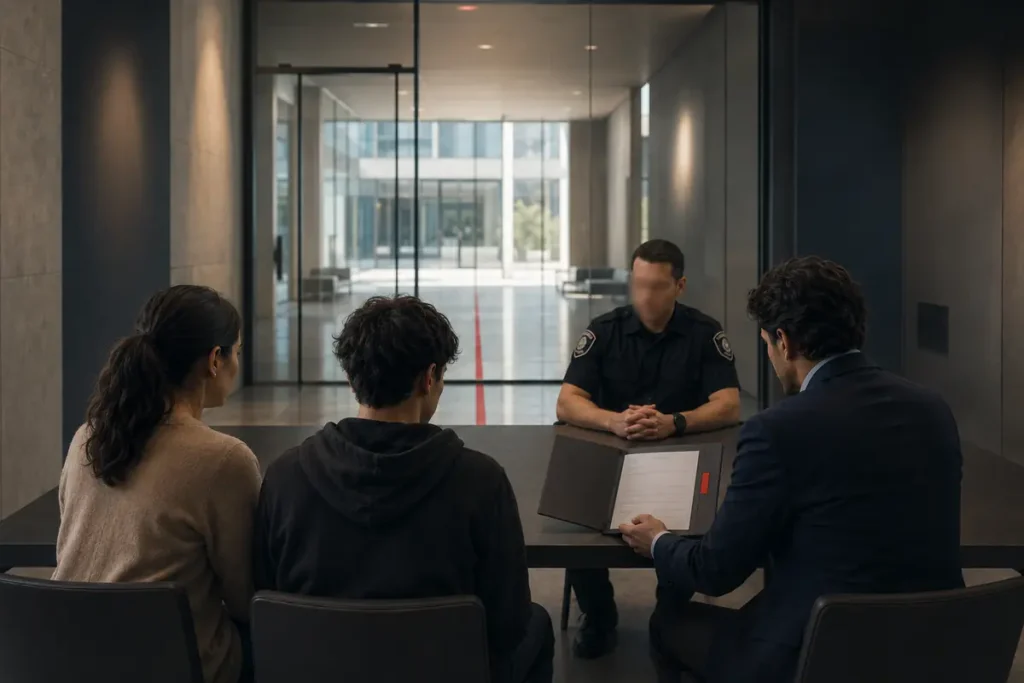

When a young person is accused of an offence, the legal process can feel confusing, stressful, and frightening for the whole family. Parents often want to know whether their child has to speak to police, whether their name will become public, what happens in youth court, and whether the charge will affect school, work, travel, or future opportunities.
What rights do young offenders have? In Canada, young offenders have specific rights under the Youth Criminal Justice Act, often called the YCJA. This law applies to youth who are at least 12 years old but under 18 at the time of the alleged offence. It recognizes that a young person should be held accountable in a way that reflects their age, maturity, circumstances, and ability to change.
Kahlon Law represents youth and families facing criminal allegations in Toronto and across the GTA. The firm’s approach is practical and direct: explain the process, protect the child’s rights, review the evidence, and work toward an outcome that limits long-term harm. For families facing a youth criminal charge, early legal advice can make the process clearer and help prevent mistakes that may affect the case.
Young Persons Have the Right to Understand the Charge and the Process
A young person has the right to know what they are accused of and what may happen next. This may sound simple, but it matters. Legal language can be difficult for adults, and it can be even harder for children and teenagers who have never dealt with police or court before.
Under the justice act framework, youth must be treated in a way that matches their age and level of understanding. They should not be left guessing about the allegation, the court process, or the possible consequences. If police lay charges, the youth should understand the nature of the offence, the conditions they must follow, and the importance of attending court.
This right also affects how lawyers, police, and the court communicate with the young person. Explanations should be clear and age-appropriate. A youth should understand the difference between release conditions, disclosure, diversion, a guilty plea, a trial, and sentencing before making decisions that could affect their future.
For parents, this is often the first point where legal help becomes valuable. A defence lawyer can review the charge, explain the steps ahead, and help the family understand whether the case may be resolved through youth extrajudicial options, negotiation, withdrawal, or trial.
Kahlon Law focuses on direct communication with clients and families. A youth case should not feel like a file moving through the system without explanation. The young person should know what is happening, why it matters, and what choices are available.
Youth Have the Right to Remain Silent and Speak with a Lawyer
One of the most important rights a youth has is the right to remain silent. A young person does not have to answer police questions about the alleged offence. They also have the right to speak with a lawyer before deciding whether to give any statement.
This protection is especially important because youth may feel pressure to explain themselves, please adults, or end the situation quickly. Some believe that talking will make things easier. Others may think they have no choice. In reality, a statement can become evidence and may be used later in court.
Before police take a statement from a youth, strict rules apply. The young person must be advised of their rights. In many cases, they must also be given a reasonable chance to consult a parent, guardian, or another trusted adult, along with a lawyer. If the process is not handled properly, the defence may be able to challenge the statement.
Parents should also be careful. A child may want to talk to police because they are scared or embarrassed. Families may want to cooperate, but cooperation should not mean giving up legal protections without advice. Speaking to a lawyer first helps the family understand what information should be shared, what should not be said, and how to avoid harming the defence.
A youth facing police contact should remember:
- They can ask to speak with a lawyer before answering questions.
- They can say they do not want to give a statement.
- They should not guess, minimize, exaggerate, or repeat what others told them.
- They should not discuss the case through text, social media, or group chats.
- They should follow release conditions carefully, even if they disagree with the allegation.
Kahlon Law advises youth and families before police interviews, after arrest, and during the early court process. Early advice can protect the young person from avoidable risks and give the defence a stronger starting point.
Privacy Rights Protect Youth Records and Personal Information
Youth protection includes strong privacy rules. In most cases, the identity of a young person charged with an offence cannot be published. This helps prevent public exposure from following the child through school, employment, and community life.
Youth records are also handled differently from adult records. A youth record may include police notes, court documents, findings of guilt, sentence details, and related information. Access is limited to specific people and agencies for specific purposes. These rules are intended to balance accountability with rehabilitation.
Privacy does not mean the case disappears overnight. Schools, police, courts, or other agencies may become involved depending on the facts, release terms, safety issues, or court orders. Some youth records remain accessible for a period of time after the case ends. The length of access depends on the outcome, the offence, and whether there are further findings.
Families should avoid sharing details about the case online or in the community. Even well-meaning posts, messages, or conversations can create problems. A youth’s name, the complainant’s name, witness details, photos, videos, and school-related information should be treated carefully.
The table below outlines common youth privacy protections and why they matter.
| Protection | What It Means | Why It Matters |
|---|---|---|
| Publication limits | A youth’s identity usually cannot be published in connection with the case | Reduces public stigma and protects future opportunities |
| Limited record access | Youth records are not open to the public in the same way as adult records | Helps protect education, employment, and community relationships |
| Controlled information sharing | Police, courts, and certain agencies may access records only in allowed situations | Prevents unnecessary exposure of personal information |
| Separate youth process | Youth court procedures account for age and development | Keeps the focus on accountability, fairness, and rehabilitation |
| Record access periods | Records may close after set periods, depending on the outcome | Allows many young people to move forward after completing the process |
Kahlon Law helps families understand what can be shared, who may access records, and how to reduce future risk. Privacy is not a side issue in youth criminal cases. It can shape a young person’s ability to return to school, maintain friendships, find work, and rebuild confidence.
Young Offenders May Have Access to Extrajudicial Measures
Not every youth criminal matter has to proceed through a full court process. The YCJA encourages police and prosecutors to consider extrajudicial measures for less serious offences where appropriate. These options can hold the young person accountable without using the full weight of formal court proceedings.
Extrajudicial measures may include warnings, cautions, referrals to community programs, apology letters, restitution, counselling, or community service. The goal is to address the behaviour, repair harm where possible, and reduce the chance of future offending.
These measures are not automatic. They depend on the offence, the evidence, the young person’s history, the position of the Crown, the views of any complainant, and whether the youth accepts responsibility where required. A lawyer can help determine whether this path is available and how to present the young person’s circumstances in a constructive way.
For some families, extrajudicial measures may be the best path because they reduce court involvement and support rehabilitation. For others, the allegation may be disputed, and accepting responsibility may not be appropriate. A defence lawyer can explain the difference between seeking a practical resolution and giving up a defence too early.
If the matter does proceed in youth court, sentencing remains different from adult sentencing. A youth sentence may include probation, community service, restitution, counselling, supervision, or custody in serious cases. The court must consider accountability, proportionality, rehabilitation, and reintegration.
Kahlon Law reviews each case carefully before recommending a path. A quick resolution is not always the right resolution. The goal is to protect the youth’s future while responding properly to the evidence and the legal risks.
Families Have a Role in Supporting the Young Person
A youth charge affects the whole family. Parents may feel shocked, angry, worried, or unsure how to help. The young person may feel scared, defensive, withdrawn, or overwhelmed. Support at home can make a meaningful difference, especially when the court is looking at the youth’s stability, supervision, and willingness to move forward.
Family involvement is often part of the youth justice process. Parents may attend court, help the youth follow release conditions, arrange counselling, communicate with the lawyer, and provide background information. In some cases, a parent or guardian may be asked to supervise the youth while the case is ongoing.
Support does not mean ignoring the seriousness of the charge. It means helping the young person respond responsibly while protecting their legal rights. Families should avoid pressuring the child to confess, apologize, contact witnesses, or explain the case to school staff without legal advice.
A strong support plan may include school attendance, counselling, structured routines, positive activities, and distance from negative peer influences. These steps can help the youth personally and may also assist the defence when discussing resolution options with the Crown.
Kahlon Law works directly with families so they understand what to expect and how to help. The firm’s youth offences practice reflects the reality that children under 18 are treated differently by law and need a defence strategy built around age, context, and future impact.
Speak with Kahlon Law about Youth Criminal Rights
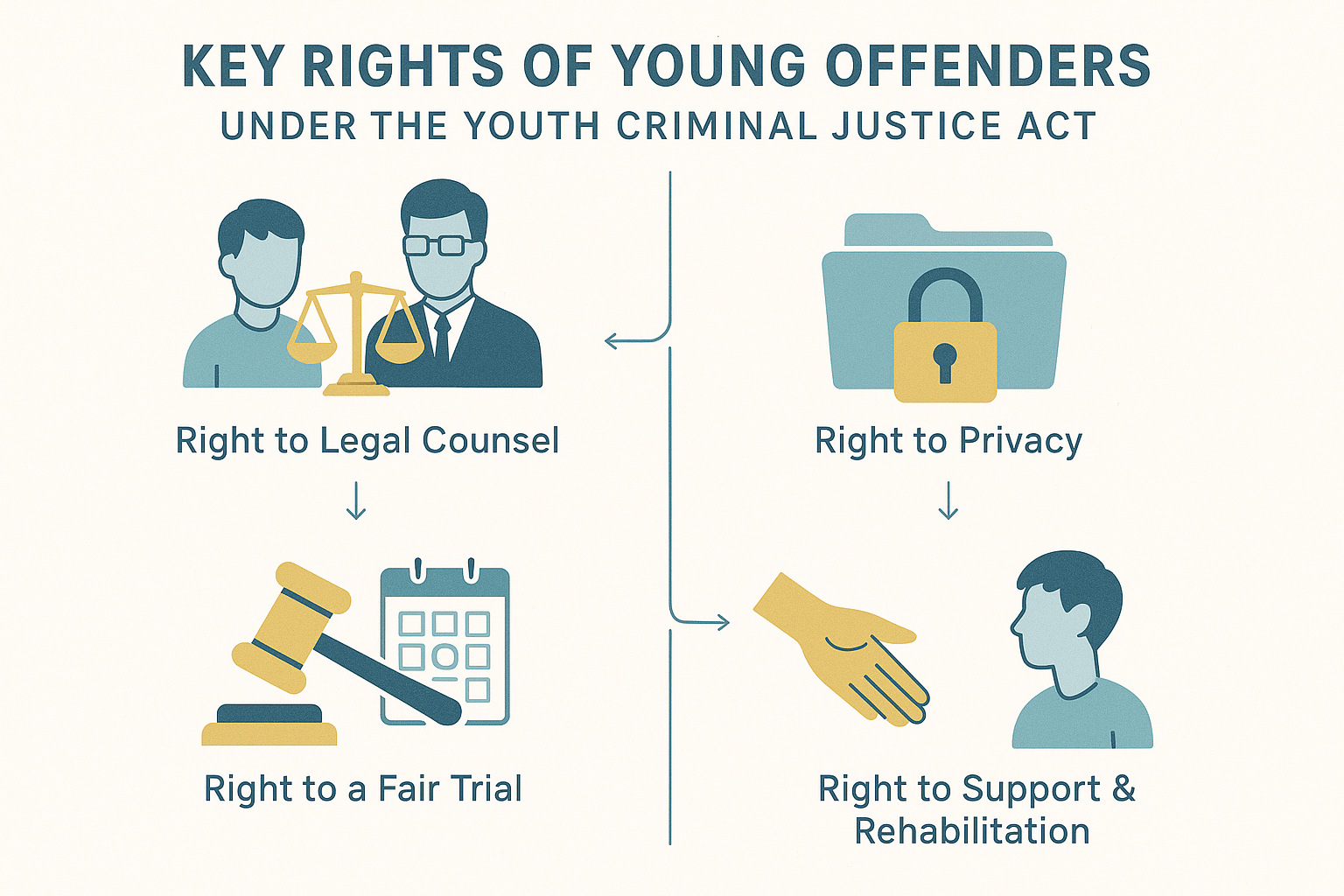
Youth have the right to understand the case, remain silent, speak with a lawyer, protect their privacy, and be treated in a way that recognizes their age and capacity for change. These rights matter from the first police interaction through court, resolution, trial, or sentencing.
Kahlon Law assists youth and families with criminal defence in Toronto, Mississauga, and the surrounding GTA. The firm emphasizes direct lawyer access, tailored defence strategies, and practical guidance for clients facing stressful allegations. If your child has been contacted by police, arrested, released on conditions, or given a court date, legal advice should be sought as soon as possible.
If your family is dealing with a youth charge, contact Kahlon Law for a confidential consultation. Speaking with a defence lawyer early can help protect your child’s rights, reduce uncertainty, and create a clear plan for the next step.